
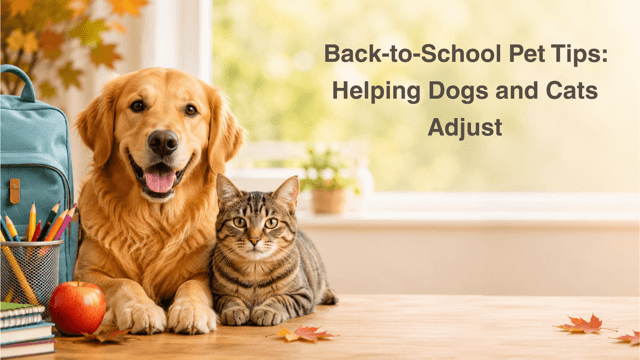
Back-to-school season brings a lot of changes: new schedules, earlier mornings, packed lunches, sports practices, homework, and probably at least one missing shoe.
But while families are adjusting to the school-year routine, our pets are adjusting too.
Dogs and cats may not understand where everyone went, but they do notice when the house suddenly gets quieter. Pets who spent the summer enjoying extra attention, playtime, and activity may feel confused, bored, or stressed when their favorite people are gone for longer stretches of the day.
At Marshall County Veterinary Clinic, we often remind pet owners that behavior changes are a form of communication. Your pet may not be able to say, “Excuse me, I did not approve this new school schedule,” but they may show it in other ways.
Why Back-to-School Season Can Be Hard on Pets
Pets are creatures of habit. They often feel most secure when their daily routine is predictable.
During summer, many pets get used to:
- More people at home
- Extra playtime or walks
- Later mornings
- More outdoor activity
- Kids coming and going throughout the day
- More frequent snacks, attention, and companionship
When school starts, that routine can change quickly. A dog who had constant company may suddenly be alone for several hours. A cat who enjoyed a full house may find the quiet unsettling — or, depending on the cat, may briefly celebrate before realizing dinner is still not being served early.
For some pets, the transition is no big deal. For others, routine changes can lead to stress, boredom, or separation-related behaviors.
Signs Your Pet May Be Struggling With the Change
Not every chewed sock or extra meow means your pet has separation anxiety. Still, it is worth paying attention if you notice new or worsening behaviors after the household schedule changes.
In dogs, signs may include:
- Barking, whining, or howling when left alone
- Chewing, digging, or destructive behavior
- Pacing or restlessness
- Having accidents in the house
- Drooling or panting when family members leave
- Trying to escape crates, rooms, or doors
- Loss of appetite when alone
- Overexcitement when everyone returns home
In cats, signs may include:
- Hiding more than usual
- Increased vocalizing
- Changes in appetite
- Urinating or defecating outside the litter box
- Overgrooming or hair loss
- More clingy behavior
- Aggression or irritability
- Reduced interest in play
Because these signs can also be linked to medical issues, it is a good idea to contact your veterinarian if they are new, ongoing, or severe.
Start With a Predictable Routine
One of the best ways to help pets through seasonal schedule changes is to make their day feel predictable again.
Try to keep key parts of your pet’s routine consistent, including:
- Mealtimes
- Potty breaks
- Walks
- Medication schedules
- Playtime
- Bedtime
Even small routines can be comforting. For example, a short morning walk before school drop-off or a predictable evening play session can help your pet know what to expect.
If your schedule is about to change, it helps to begin adjusting a few days or weeks ahead of time when possible. Gradual change is usually easier than a sudden “surprise, everyone is gone for eight hours” situation.
Give Them Something to Do
A bored pet is often a creative pet — and not always in ways we appreciate.
Providing enrichment can help keep your dog or cat mentally engaged while the house is quiet.
For dogs, consider:
- Puzzle feeders
- Frozen treat toys
- Safe chew toys
- Snuffle mats
- A walk before longer alone time
- Background noise, such as calming music or a television at low volume
For cats, consider:
- Window perches
- Food puzzles
- Cat trees
- Scratching posts
- Rotating toys
- Short play sessions with wand toys before you leave
- Hiding small amounts of kibble or treats for them to “hunt”
The goal is not to overwhelm your pet with a toy store explosion in the living room. A few safe, engaging options can make alone time feel more manageable.
Practice Calm Goodbyes and Hellos
We know it is tempting to give your pet a dramatic farewell worthy of a movie scene. But for anxious pets, big emotional exits and entrances can sometimes make the transition feel more intense.
Instead, try to keep departures and arrivals calm. Offer a favorite toy or enrichment item before you leave, then keep greetings relaxed when you return.
This does not mean ignoring your pet forever. It simply means helping them learn that people leaving and coming back is a normal part of the day.
Make Sure Physical Needs Are Met
A pet who has had exercise, bathroom time, food, and attention is more likely to settle when the house gets quiet.
Before the school day begins, try to build in time for:
- A potty break
- A short walk or play session
- Breakfast
- Fresh water
- Any needed medications
- A safe, comfortable resting space
For cats, a few minutes of active play before leaving can help burn off energy. For dogs, a walk or game of fetch may help them relax once the house empties.
Know When to Ask for Help
Some pets need more than routine changes and enrichment. If your dog or cat is showing significant stress, injuring themselves, damaging doors or crates, having repeated accidents, or seeming panicked when left alone, it is time to contact your veterinarian.
Your veterinary team can help rule out medical causes, discuss behavior strategies, and recommend additional support if needed. In some cases, pets may benefit from a structured behavior plan, professional training support, or medication as part of a broader treatment plan.
Separation anxiety is not a “bad behavior” problem. It is distress. The sooner we recognize it, the sooner we can help.
A Smoother School Year for the Whole Family
Back-to-school season is a big adjustment for everyone, including the four-legged family members. With a little planning, consistency, and enrichment, many pets can settle into the school-year routine comfortably.
If your pet is struggling with the transition, Marshall County Veterinary Clinic is here to help. Contact our team in Lacon if you notice new behavior changes, signs of stress, or concerns about your pet’s health as your household routine changes.